


We’ve all been there. In bed, trying to sleep, but instead your mind replays something you’d rather forget. The shape of it will vary from person to person, but it torments each of us. The ache of a scar from a wound long thought to be healed.
For me it’s a memory of my father punishing me for “lying” because I told him my sister checked the mail, when in fact she hadn’t, and told him that I had.
Eventually we push it aside and get to sleep. But the life altering harms, the injuries no one can see, those stay with us. Like a latent illness, with the potential to expand and corrupt.
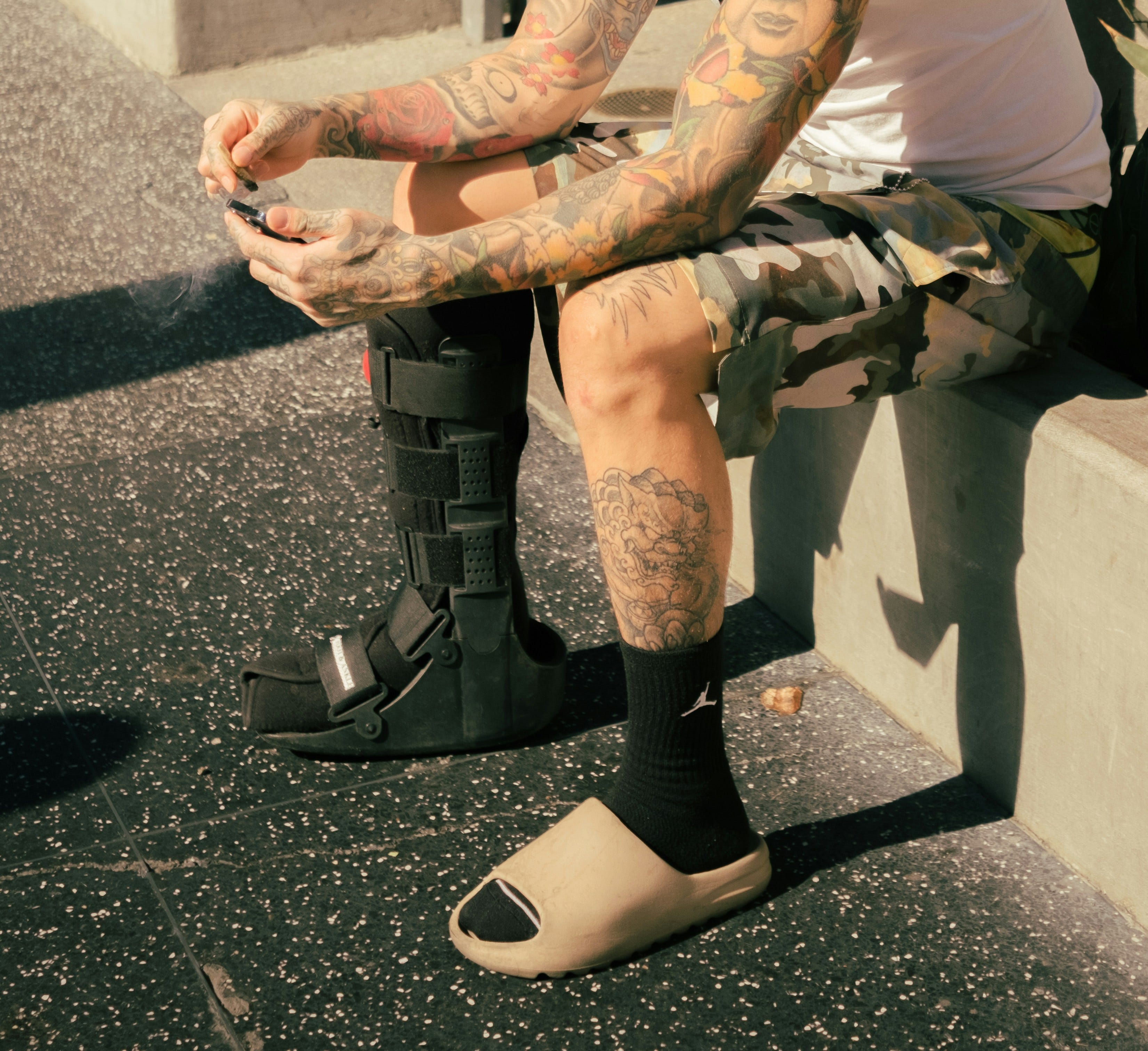
For some of us, the harms we endured were formative… and structural. Like a broken leg improperly set. Eventually it heals, but it aches with every step, and our limp forever is a reminder of how someone broke us.
The lingering effects will continue to shape who we are. When we are betrayed by a loved one, the impulse is to withhold intimacy lest we suffer again. When we are dealt with unfairly, we are likely to become less fair with others. When our efforts are ignored, we give less effort.
If left unchecked, the harms done to us in the past will continue to harm us, and we suffer. But what should be done? After all, victims of harm owe nothing, they themselves are owed.
Theologian Lewis B. Smedes said that “To forgive is to set a prisoner free and discover that the prisoner was you.”
Buddhism says that to eliminate our suffering we must let go of the harm. Stoicism tells us that we cannot control the actions of others but only our own, and we should let go because our anger and resentment is corrosive.
These are all true. I’ve felt the burning corrosive resentment towards a father long dead, unable to answer for his abuse. My eventual forgiveness was freeing, and holding on to the harm done to me compounded my suffering.
But my heart still races when I hear raised voices. My natural inclination is to shut down conflict. These are subconscious impulses, hardwired into a psyche that knew where those paths led.
Bruises and terror.
Forgiveness does not erase a nervous system conditioned by being constantly under threat. The amygdala predates the Eightfold Path by several million years.
We are shaped by millions of years of avoiding what would kill us before we can reproduce. The functional result of that evolution is a human mind that unconsciously focuses on threats. We place outsized importance on harm done to us, and we are wired more for the avoidance of future harm informed by those experiences. So many people carry so much harm and cannot simply let go of it, no matter the depth of the effort to get there. We are biologically wired to hold on to it.
We can let go of the story of how the leg broke. We cannot let go of the limp.
If we don’t owe anyone forgiveness, and even giving it may not change how we exist in the world, then what do the harmed owe anyone in how they carry their harm?
The angry, bitter person with a past full of misery isn’t just familiar, it’s a cliché. Hurt people hurt people. Whether the old pains are ignored or indulged they still inform, even below intention.
What we can do is understand the harm, understand what it does to us, that it creates a warped lens to see ourselves and the world through, and build ourselves thoughtfully with these structural flaws in mind.
We are all working in the continuous process of constructing ourselves; we can’t always control the materials we build with. Sometimes we only have cracked parts to build with, because that’s all we got; sometimes the foundation itself is fundamentally broken through no fault of our own.
I don’t know if I’ll ever get past the trauma in my past. I’ll always have some element of anger, fear, and anxiety growing from those deeply rooted emotions. But I know that my understanding of them can help me to temper the harm I may commit through their influence, and help give me agency apart from the wounded person who lashes out in an animalistic fear of being hurt again.
We don’t ask the person who recovered from the badly broken leg to walk normally again. What we can ask is that they are aware of the limp, its origin, its mechanics, the vulnerabilities it creates.
We ask this so that they navigate the world without causing further damage to themselves.
We ask this so they can navigate the world without knocking others down.
If you’re ready to explore practical philosophy for everyday ethical decisions, without the academic jargon, subscribe to Radical Kindness: Empathy as Rebellion. Every week, I share frameworks for navigating moral complexity, personal stories of growth through adversity, and tools for building a more ethical life.
Join a growing number of thoughtful readers who are figuring out how to be good humans in a complicated world.