


The future is going to be a utopia for humanity with AI enabling machines to remove the drudgery of life so that we can focus on being human.
The future is going to be a capitalist dystopia where AI enables the powerful to further exploit the powerless with relentless tools of surveillance and control.
So… which one is it?
The truth is it’s neither, at least not in total. It will be a spectrum. AI is going to make a utopia for some. AI is going to enable a hellscape for others.
This is not because AI is magic technology that can make dreams and wishes come true or a monster of transformers and silicon that will punish humanity for our hubris.
It is because AI is the latest iteration of the lever. Early levers were used to move stones. This latest lever moves markets and societies.
But societies, like those stones millennia ago, do not choose on their own where and how they are moved. Those are the choices of people. Stones did not choose to become pyramids. People chose that purpose.
Society will not choose to become a dystopia. People will choose if that happens or not.
It is not a simple thing to move a society, even with the world’s greatest lever in AI. First, we have to take into account the levers already in place and how they are exerting their force.
Capitalism concentrates resources into the hands of a few and in doing so makes further concentration possible.
Religion pushes masses of people toward a shared purpose, a purpose that can also be moved with the same lever toward the divine and compassionate or the profane and callous. It is used to mobilize people to feed the poor or to justify why they should have no food.
Tradition, cultures, and even stories all are levers pushing and pulling society. But levers can be pulled by people.
Today it feels like we are powerless to influence the future coming at us, enabled by the titans of tech pulling their levers. But waiting for the inevitable is a choice. And so is action.
Communication is a powerful lever. We need to talk to one another. Understand one another. And help one another. Because while a technocracy ruled by a few tries to make it appear that its leaders have their hands on all the controls, they don’t.
The people who will be affected by AI can still exert control. We have levers. Collective action. Good governance. Prioritizing human flourishing over desires for wealth and power.
Our systems, they say, are too big to change overnight. We can’t remake labor markets or how power is allocated.
But change is coming faster than ever before. And if that change is both swift and inevitable, why can’t we, together, choose to be swift?
AI is a lever. But so too is mankind. Together.
Together we defeated diseases and famines, ended systems of oppression and exploitation.
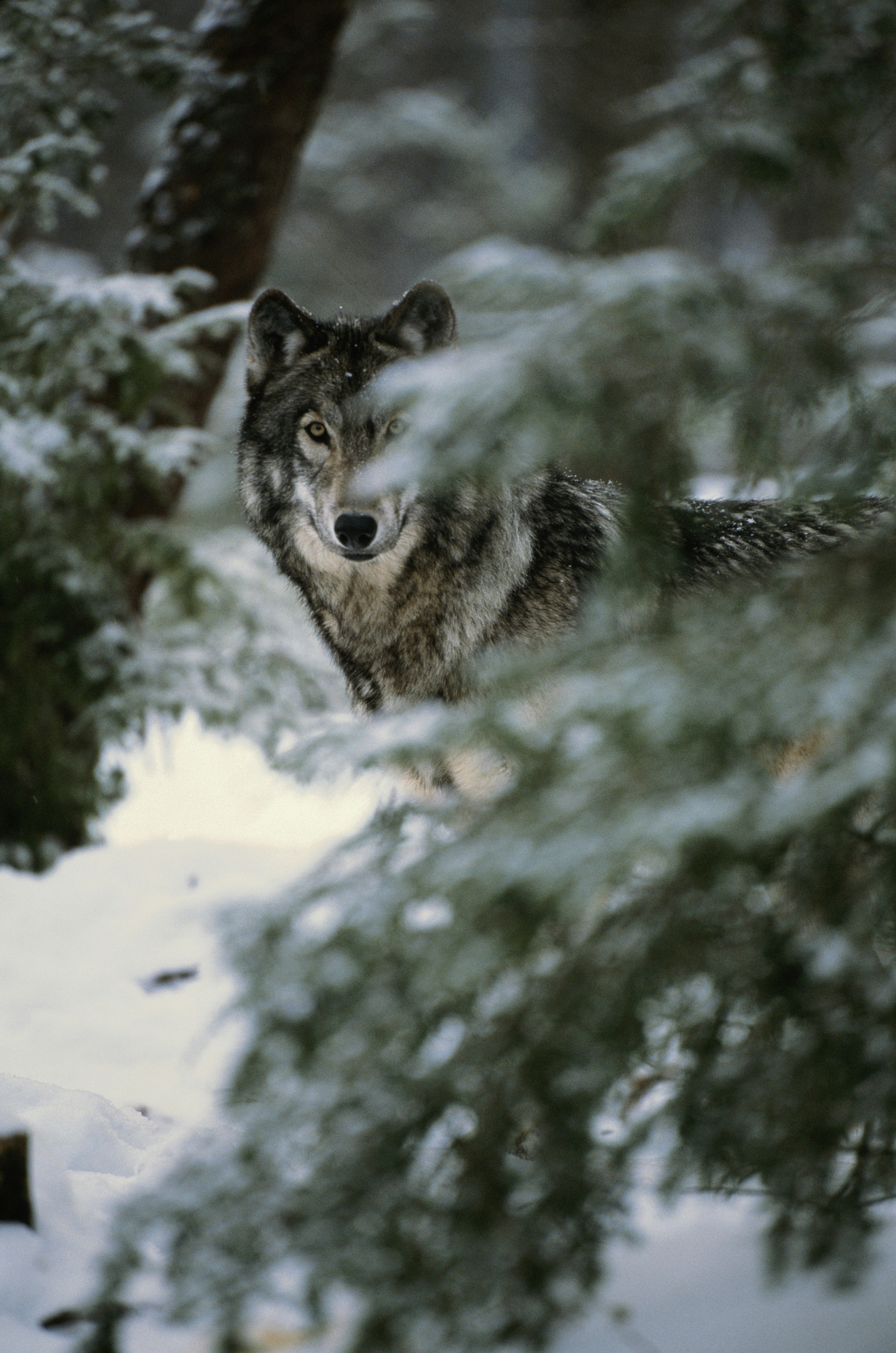
We made wolves into dogs. We did that by sharing our sustenance with the wolf, by finding ways to work together to succeed.
And with head scritches and belly rubs.
Some may prefer AI to become ravenous and all-consuming. But as my canine companion naps beside me, I know it doesn’t have to be that way.
I don’t have the solution.
I have my ideas about what the solution is.
Collective action to create a floor that doesn’t allow people to fall into destitution when AI takes their jobs.
Treating each other not as competitors for scarcity but as collaborators with a new silicon ally. Remind those with wealth that their wealth is built by the efforts of many, and therefore the many should benefit—or, at a minimum, should not be allowed to suffer when that suffering can be alleviated.
I have many, many more exacting prescriptions. But this space is not a purely political one (even though all philosophy is inherently political).
You can be better tomorrow. So can society, when we help each other be better too.
The power of humanity is not in defeating the wolf. It is in developing with the wolf until we have a beloved companion and partner.
If you’re ready to explore practical philosophy for everyday ethical decisions, without the academic jargon, subscribe to Radical Kindness: Empathy as Rebellion. Every week, I share frameworks for navigating moral complexity, personal stories of growth through adversity, and tools for building a more ethical life.
Join a growing number of thoughtful readers who are figuring out how to be good humans in a complicated world.