


I am not a good person.
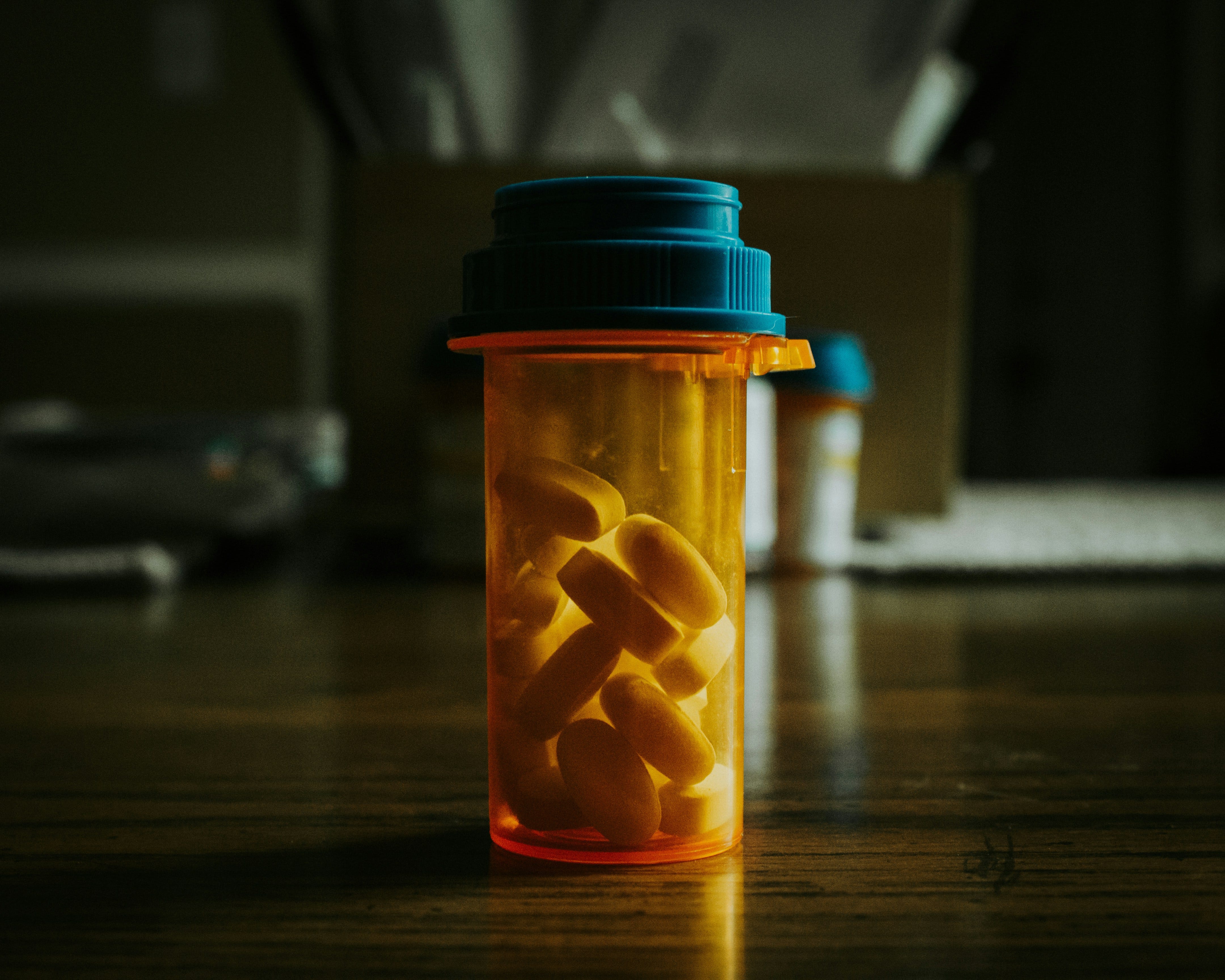
As I write this, next to me in a drawer lies a bottle of Oxycodone. I had surgery last month, a fusion of three vertebrae in my neck. The opioid was prescribed as part of my post-surgery pain management regimen.
This isn’t a piece about addiction. Thankfully I have whatever combination of genetics, brain chemistry, and substance abuse driven trauma that makes me very apprehensive about drugs.
What this essay is about are the impulses I do have for that bottle of pills. I’m not using them… but why should they go to waste? Surely someone would pay for them.
I recoil as I type the words, but I cannot dispute that the thoughts were mine. I have no excuse for having these thoughts. I am not destitute.
I can say that I once was very poor, that whatever this medication could fetch me if sold illicitly would make a material improvement in my life. But I am not poor, and such a sale would make little difference.
I can say that I was raised by a man who did this very thing. I remember sitting awkwardly on a couch, twelve years old, with people that everyone pretended were some friends over for a visit. But they weren’t friends of anyone in our family. They were waiting for my father to bring them back to his bedroom, where he’d sell them his pills.
I can say that was something I experienced in my formative years. But I knew then it was wrong and cannot argue that I do not know that now.
The Honest Truth
I have long feared becoming the man my father was. For much of my life I pretended I was not the same person he was, that I chose to be someone different, someone better.
But when I manipulated someone in a way similar to him, well, you see… that was different…
When I have thoughts about doing things I saw him do, things I knew were wrong, I convince myself that because I didn’t put the idea into action that made me somehow better than him.
But I’m not. I live with the same monster he was, inside me now and not down the hall in a smoke-filled bedroom. My rap sheet is shorter, but it isn’t empty. No matter how much I try to pretend otherwise, the monster I always feared lives inside me all along.
I don’t write about morals and ethics because I’m some paragon. I’m not. Far from it. Our choices, our actions, and our thoughts are the architecture of who we are. I am cut from the same cloth as the man I grew up despising.
What is different is that I am not willing to pretend I am otherwise. I look at the monster within and accept that it is part of who I am. Knowing what foundation you are working on is crucial to building something that lasts.
While that monster resides within, the sum of who I am are both the thoughts it inspires, and the choices I make in response to those thoughts. I admit to thinking of the terrible. But I also admit I have agency in what to do with those thoughts. I can pursue them to their logical conclusion, making an addict’s life a little worse in exchange for my greed. Or I can choose to honestly admit to myself that the monster is within but not give it power over me.
I think to myself that the Oxycodone in my drawer is probably valuable. But then I push back against that thought. I think about who would buy them, and how it would harm them. I think about what it would cost to my integrity to circumvent the law and protections against something like this. I think about how it subtly changes me if I find a way to justify such a course of action to myself.
The pills remain safely put away in my drawer. Should I need them for pain I will cautiously make use of them. I have a monster within, but that doesn’t mean I need to accept that as all I am.
I am not a good person, because I do not think there are good people. Or evil people. There are only people and the good we do or choose not to do. There are only people, and the evil we choose to do, or choose to resist.
I say, “you can always be better tomorrow,” not as some soothing mantra. I say it because I need that to be true.
If you’re ready to explore practical philosophy for everyday ethical decisions, without the academic jargon, subscribe to Radical Kindness: Empathy as Rebellion. Every week, I share frameworks for navigating moral complexity, personal stories of growth through adversity, and tools for building a more ethical life.
Join a growing number of thoughtful readers who are figuring out how to be good humans in a complicated world.