


In Malcolm Gladwell’s book Blink, he makes the argument that experts make better “gut” decisions because they have honed their expertise to such a point that they can arrive at the right answer without consciously thinking.
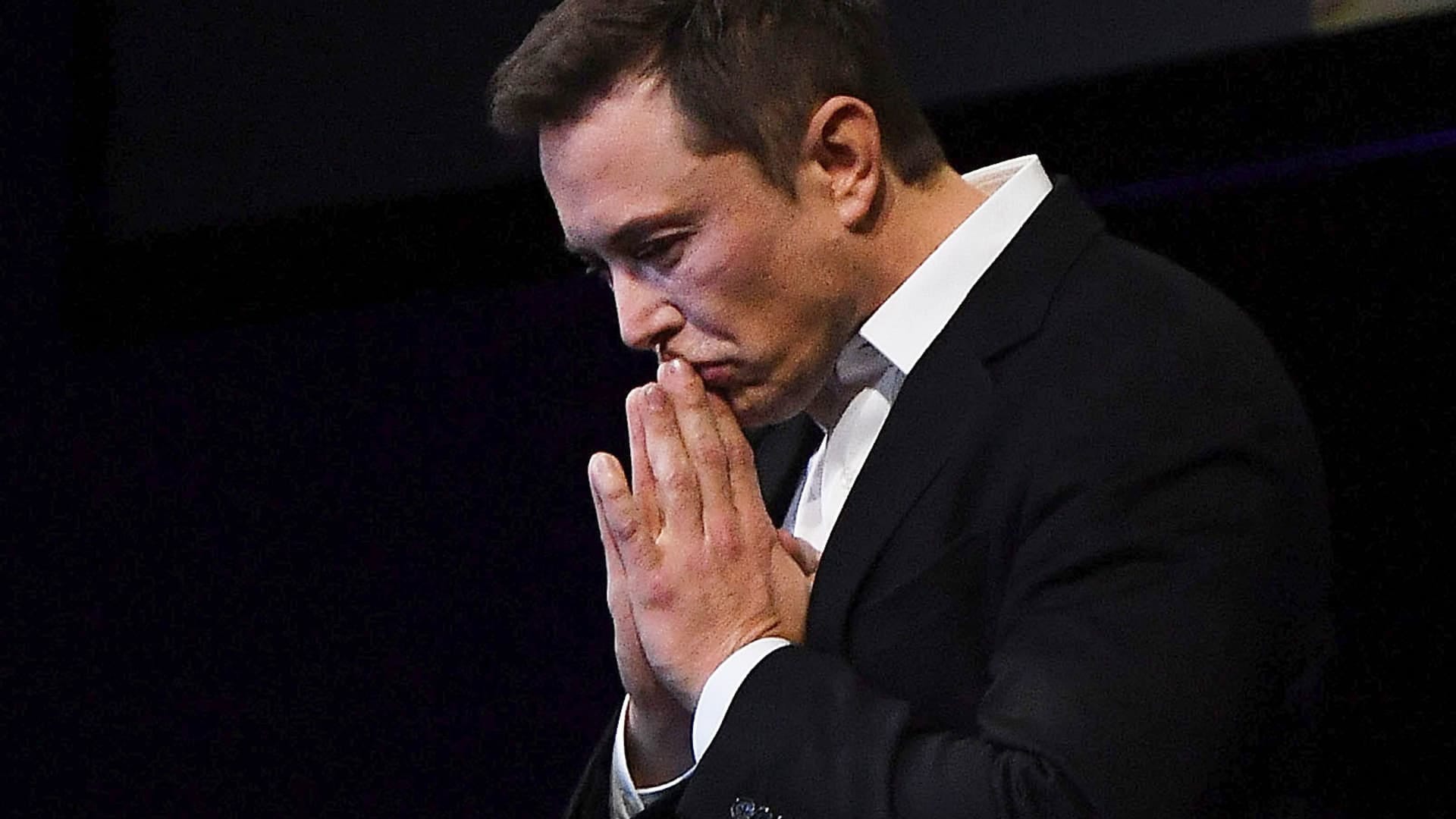
Now I think most Malcolm Gladwell ideas are pop-sci nonsense (apologies to Malcolm Gladwell out here catching strays). But I think there is something to the idea that when you have lived deeply within a topic or concept your gut is going to be right. I say this as preference to sharing my reaction to Elon Musk becoming the world’s first trillionaire.
Elon Musk amassing a trillion dollars is a moral indictment of modern capitalism. It is evidence of his moral bankruptcy as a human being.
While it is unlikely, I hope Elon reads this. Not because his petulant reaction would be great for my writing career. Somehow massive negative attention is a means of acquiring wealth in 2026.
No, I hope he reads this because even though his decisions have built him into a man of essentially infinite access to wealth and power, he can still wake up an be a better person tomorrow.
But why does he need to decide to be a better person? And how is there a moral component to wealth? Am I saying no one should have wealth?
Yes, I am saying no one should have wealth. At least this kind of wealth. Ignoring his Musk’s trillionaire status, each billionaire is also a moral strike against our society. To be blunt, no person has ever “earned” a billion dollars. That kind of wealth comes from profiting from the labor of other people, from choosing to deprive people for your own benefit. It bends society around the gravity of so much wealth that you can do incredibly harmful things to others and not only face no consequences but continue to be rewarded for those things.
That amount of money is so large as to be abstract from the life of the person who controls it. But no one who has such wealth seems to be content with it, it always needs to continue to be amassed. Billionaire Jeff Bezos, for example, bought the Washington Post, which now posts op-eds that argue against taxing people of great wealth. His position was already unassailable, but he continues to bend the world further into his favor.
But Musk represents the pinnacle of this moral emptiness. He once stated he’d donate $6 billion, or 2% of his net worth, to the UN World Food Programme if they could show how that money would help end hunger. They confirmed that $6 billion could feed the 42 million people who are at risk of or currently enduring famine for a year. He chose to send the money to his own charity instead. At the time (2021) that was 2% of his net worth. Today tat would be 0.6%.
Ledger ethics says that when you can help and do not, that is an evil of indifference. Agency and ability to help also reduce or compound the evil. Arguably who has more individual ability than Musk? He used his wealth to capture the attention of those currently in power in the US. He used that attention to enrich himself and deny assistance to some of the most destitute people in the world via his DOGE work. He tweeted a brag about taking a chainsaw to USAID, a part of the US State Department that provides assistance to the needy around the world.
When I pass a homeless person asking for money, and I choose to keep walking I’ve committed a small evil, one that corrodes who I am as a person. How does that scale to denying promised aid to millions of people? Certainly the withdrawal of USAID commitments caused an increase in human suffering, not to mention deaths.
Compounding this, Musk has acquired wealth while eroding the rights of the workers who enable his wealth. He flouts workers’ rights, fights against unions and regulation, and fires employees on a whim even when doing so actively harms his business.
Imagine the good Musk could do if tomorrow he decided to use his vast wealth and power to work towards universal healthcare? Or making sure everyone had access to clean water and housing. He do these things and so much more without any personal deprivation.
Every dollar he amasses to himself could be better spent making the world better. Every choice he makes not to do that is a choice for evil.
Musk appears to be a deeply unhappy man, who seems to lack true human connection. I take no joy in his misery. I only hope that he can connect his misery to the choices he made to make him the person who can become the world’s first trillionaire. Because no matter how much harm he has caused, how much his actions will continue to cause…
He can be better tomorrow.
For humanity’s sake I hope he decides to try.
If you’re ready to explore practical philosophy for everyday ethical decisions, without the academic jargon, subscribe to Radical Kindness: Empathy as Rebellion. Every week, I share frameworks for navigating moral complexity, personal stories of growth through adversity, and tools for building a more ethical life.
Join a growing number of thoughtful readers who are figuring out how to be good humans in a complicated world.